
Why applying in the first hour changes everything
Early applications hit an inbox when the recruiter’s energy is highest, turning a competitive race into a direct conversation before fatigue sets in.
Dharna Agarwala
Careers & Hiring Writer, Jobbotly
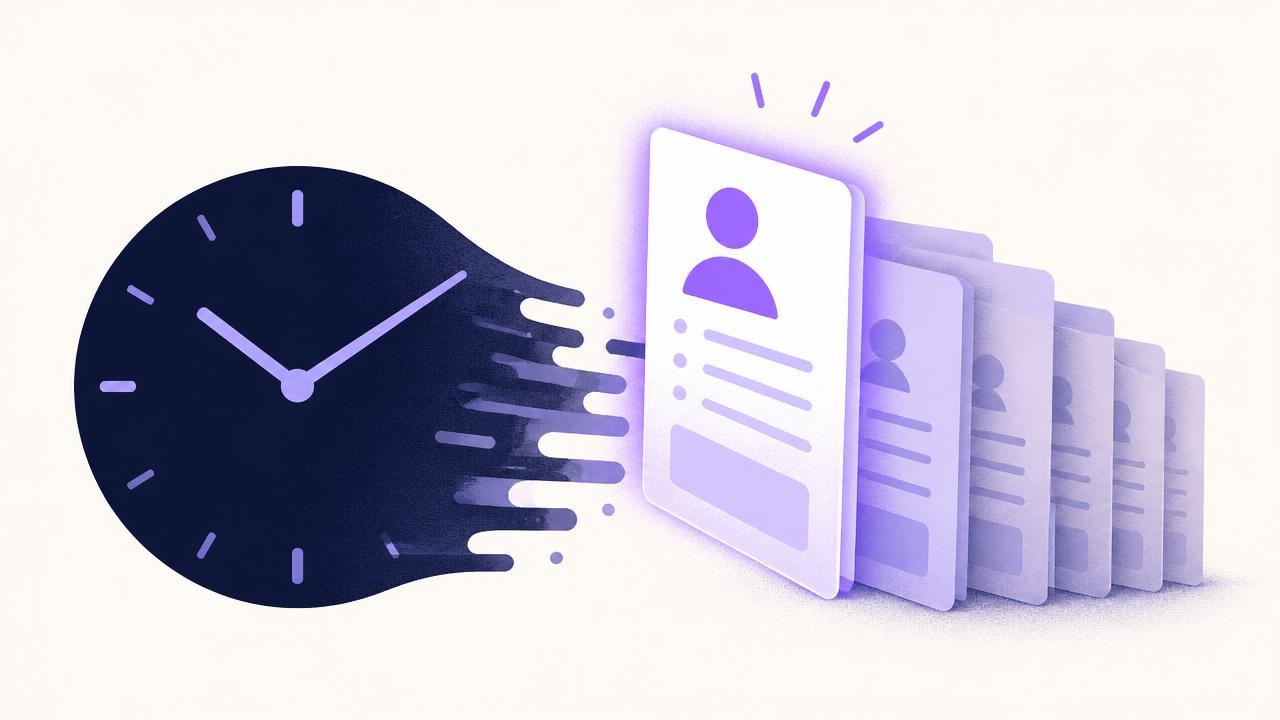
Most job seekers treat the 'apply' button like a lottery ticket—something to be submitted whenever the mood strikes or the weekend rolls around. But in the Indian hiring landscape, where a single LinkedIn post for a mid-level marketing role can garner three hundred responses by lunch, timing is not just a detail; it is the filter. When you apply within the first sixty minutes of a job going live, you are catching a recruiter or founder at the exact moment their attention is focused on solving a problem. They have just acknowledged a gap in their team, and they are actively looking for the person to fill it. By hour twenty-four, that focused attention has often devolved into a defensive sorting task.
Applying early changes the psychological contract between you and the reader. In those initial moments, a recruiter reads a CV with curiosity, looking for reasons to say 'yes.' After a few hundred entries, the mindset shifts toward disqualification. They start looking for reasons to say 'no' just to make the pile manageable. If you are in the first batch, your nuances and specific achievements are more likely to be noted. By the time the thousandth person applies, even a stellar profile can feel like noise. This isn't about gaming a machine; it's about respecting the very human limits of the person on the other side of the screen.
The Recruiter’s First Hour: A Realistic Timeline
To understand why speed matters, you have to look at what happens inside an HR department the moment a role is published. The initial responses often set the benchmark for the entire search. If the first three applicants are overqualified, the recruiter might tighten requirements. If they are underqualified, they might broaden the search. Being part of that benchmark-setting group gives you a disproportionate influence on how the role is perceived.
0-15 mins
The Notification Phase
Active candidates with alerts set receive the ping. The recruiter is often still on the portal page, checking for live errors.
15-60 mins
The High-Engagement Window
The recruiter begins opening the first few CVs, looking for 'gold' to show the hiring manager immediately to prove the search is off to a good start.
2-6 hours
The Inbox Surge
Volume hits a peak. The recruiter moves from reading every line to scanning keywords and looking for immediate red flags to clear the queue.
12-24 hours
The Saturation Point
The 'shortlist' is often mentally or physically formed. New applicants are now competing against candidates who have already been invited to screen.
Why 'Scanning' Replaces 'Reading' Over Time
Imagine a hiring manager in Gurugram looking for a software engineer. In the first hour, they might receive twelve applications. They can afford to spend three minutes on each, looking at the GitHub links and reading the summary. By the next morning, that number has reached four hundred. At this point, the human brain cannot maintain the same level of scrutiny. This is where 'decision fatigue' kicks in. The recruiter starts relying on heuristics—the prestige of your college or a recognizable former employer—rather than the substance of your work. By being early, you allow them the luxury of actually reading what you’ve written.
There is also the logistical reality of interview scheduling. Most teams only have a certain number of slots per week for first-round interviews. If a recruiter finds six great candidates in the first few hours, they will book those slots immediately. Even if the seventh candidate is slightly better but applies two days later, they might be put on a 'hold' list because the week is already full. The job search isn't just about merit; it's about the sequence of discovery.
The Quality vs. Speed Trade-off
A common mistake is sacrificing quality for the sake of the clock. If you send a CV with the wrong company name, you lose the advantage of speed. The goal is 'Ready-to-Go Tailoring.' This means having your core documents organized so that you only need ten minutes of high-impact adjustments rather than an hour of foundational writing.
Effective Early Applying
- Pre-written bullet points for different roles
- Immediate alerts for specific companies
- Polished LinkedIn profile that matches the CV
- Tailoring only the top 15% of the document
Rushed Early Applying
- Typos in the subject line or file name
- Applying for roles without meeting core criteria
- Generic 'one-size-fits-all' resume
- Forgetting to update the 'Objective' section
Practical Steps to Owning the First Hour
To execute this, identify the three most important job boards for your industry—likely LinkedIn, Naukri, and perhaps a niche board like Hirist or Wellfound. Set alerts for job titles and specific 'dream' companies. When the alert hits, check the location and tech stack. If it’s a 90% match, spend fifteen minutes refining your profile for that role. A brief, respectful message to a tagged hiring manager—'I’ve just submitted my application and would love to be considered'—can anchor your name in their mind while they are still looking at that first batch of CVs.
When Speed Doesn't Matter
For very high-level executive roles (CXOs) or specialized academic positions, the hiring cycle is measured in months, not hours. However, for 90% of the professional workforce—from junior developers to senior managers—the 'first hour' rule remains one of the few variables within your control that can genuinely tilt the odds in your favour. By providing a high-quality solution to their hiring problem before they become overwhelmed, you position yourself as a professional who is prepared and proactive.
What if the job is posted at 2 AM?
Apply immediately. While the recruiter won't see it until 9 AM, your application will be at the top of their morning 'New Applicants' digest.
Does applying early help if I don't meet the requirements?
No. Speed is a multiplier of quality, not a replacement for it.
Is it better to apply on the company website or a job board?
If the job board has an 'Easy Apply' feature, do that first for speed. But the company’s own portal is usually the internal 'source of truth'.
Can I re-apply later if I made a mistake?
Most systems flag duplicates. It is better to take an extra ten minutes to get it right the first time than to send a flawed document.
Dharna Agarwala
Careers & Hiring Writer, Jobbotly
Dharna writes about hiring, job search strategy, and how AI is changing the way people find work. She spends her days talking to recruiters and candidates to figure out what actually gets someone hired.
Get matched jobs the moment they go live.
Jobbotly scans 100+ sources and sends the right roles straight to your WhatsApp.
Start on WhatsApp